

Spinal Cord Injury in Houston
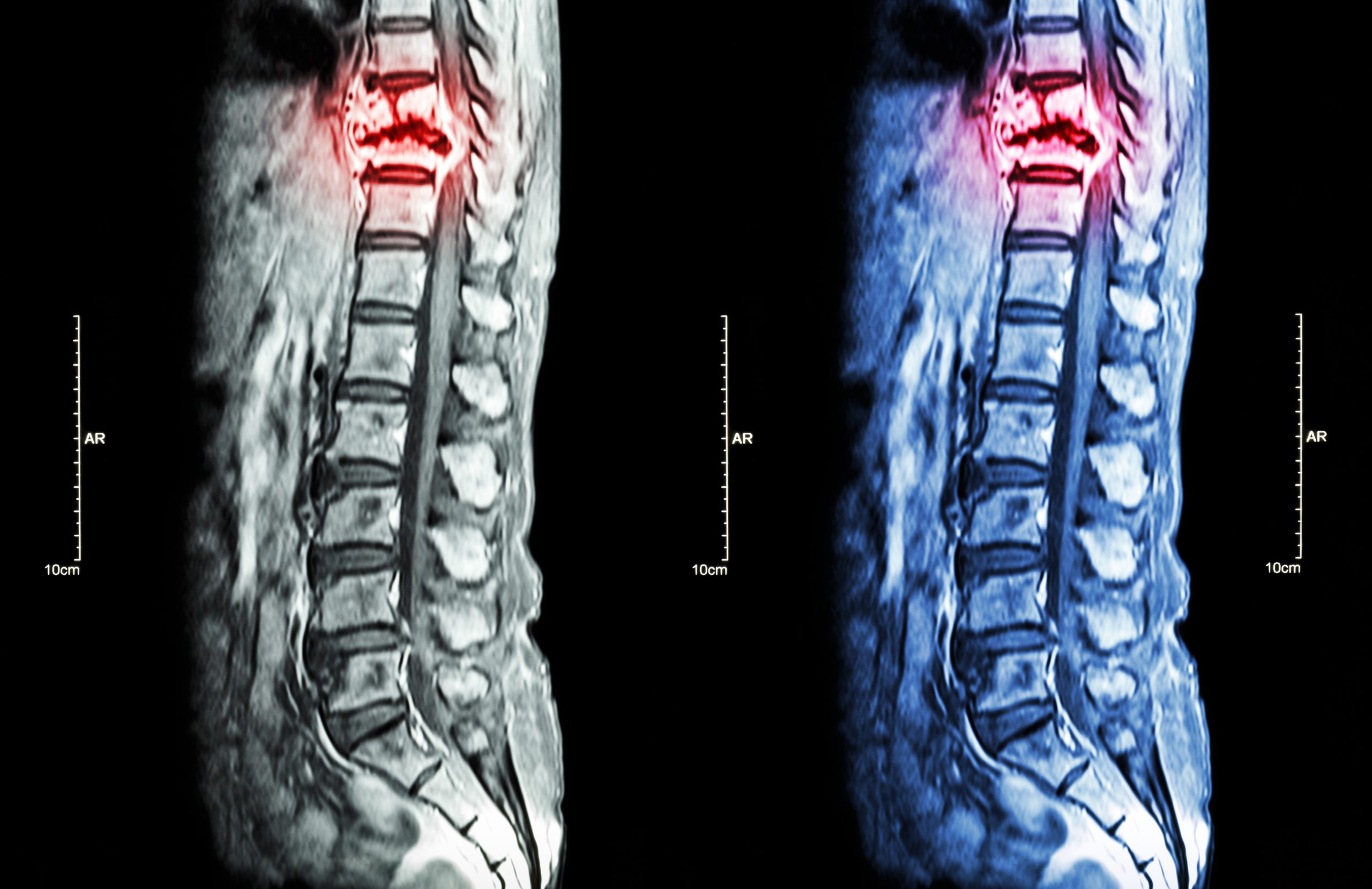
SPINAL CORD INJURY REHABILITATION
At Neurability Therapy, we provide specialized therapy services for individuals recovering from spinal cord injuries (SCI). Our goal is to help every client maximize function, adapt to new challenges, and reclaim their quality of life through expert, evidence-based care.
WHAT IS THE SPINAL CORD?
The spinal cord is a long bundle of nerves that extends from the brainstem down the back. It acts as a communication highway, transmitting messages between the brain and the body. It plays a critical role in movement, sensation, reflexes, and autonomic functions like breathing, digestion, and blood pressure regulation.
WHAT CAUSES SPINAL CORD INJURIES?
Spinal cord injuries may result from traumatic or non-traumatic causes: The spinal cord is a long bundle of nerves that extends from the brainstem down the back. It acts as a communication highway, transmitting messages between the brain and the body. It plays a critical role in movement, sensation, reflexes, and autonomic functions like breathing, digestion, and blood pressure regulation.
-
Motor vehicle accidents
-
Falls
-
Sports injuries
-
Violence (e.g., gunshot wounds)
-
Medical conditions (e.g., tumors, infections, degenerative diseases)
LEVELS OF SPINAL CORD INJURY & COMMON DEFICITS
Spinal cord injury is categorized by level (where the injury occurs on the spine) and severity (complete or incomplete). The higher the injury, the more widespread the impact.
Cervical (Neck – C1 to C8)
-
Can result in quadriplegia (tetraplegia)—paralysis of all four limbs
-
May affect breathing, arm and hand function, and bladder/bowel control
Thoracic (Upper Back – T1 to T12)
-
May cause paraplegia—paralysis of the lower body
-
Typically preserves arm and hand function, but affects trunk control and leg mobility
Lumbar (Lower Back – L1 to L5)
-
Impacts leg strength, hip movement, and bowel/bladder function
-
Often leads to partial lower limb paralysis or weakness
Sacral (Pelvic Area – S1 to S5)
-
Affects hip and leg control, sexual function, and bladder/bowel management
-
May retain walking ability with or without support
COMMON DEFICITS AFTER SCI
-
Paralysis or muscle weakness
-
Loss of sensation below the injury level
-
Impaired balance and coordination
-
Spasticity or involuntary muscle tightness
-
Chronic pain or neuropathic pain
-
Bladder and bowel dysfunction
-
Respiratory challenges (especially with high cervical injuries)
-
Autonomic dysreflexia (dangerous spikes in blood pressure)
OUR TREATMENT FOCUS
At Neurability Therapy, we tailor every rehabilitation plan to the level of injury, personal goals, and functional potential. Our team of occupational, physical, and speech therapists works collaboratively to address:
Functional Mobility
-
Transfer training (bed to chair, wheelchair skills)
-
Gait training with assistive devices or robotic support
-
Wheelchair positioning and pressure relief education
Strength & Coordination
-
Targeted exercises for retained muscle groups
-
Neuromuscular re-education and spasticity management
-
Balance and trunk control development
Daily Living & Independence
-
Training in self-care tasks (dressing, bathing, grooming)
-
Home modifications and adaptive equipment use
-
Driving and community re-entry training
Communication (if cervical SCI affects these areas)
-
Assistive technology for communication or environmental control
Psychosocial Support
-
Coping strategies, caregiver education, and goal-setting
-
Support for returning to school, work, or social activities
READY TO BEGIN YOUR REHAB JOURNEY?
If you or a loved one is recovering from a spinal cord injury, Neurability Therapy is here to guide the way. Contact us today to schedule a consultation and learn how we can support your recovery and independence.

Cel B

I had the pleasure of working with Beverly for a few years and she has always been nothing but professional, knowledgeable, and caring. She goes above and beyond for her patients. She’s an amazing occupational therapist!

Joshua Wilges
Neurability Therapy has been amazing for my mom’s brain injury recovery. Beverly is passionate about what she does and always comes up with new and creative ways to challenge my mom. We cannot say enough good things about this service!