

Other Neurological Conditions in Houston
MULTIPLE SCLEROSIS (MS)
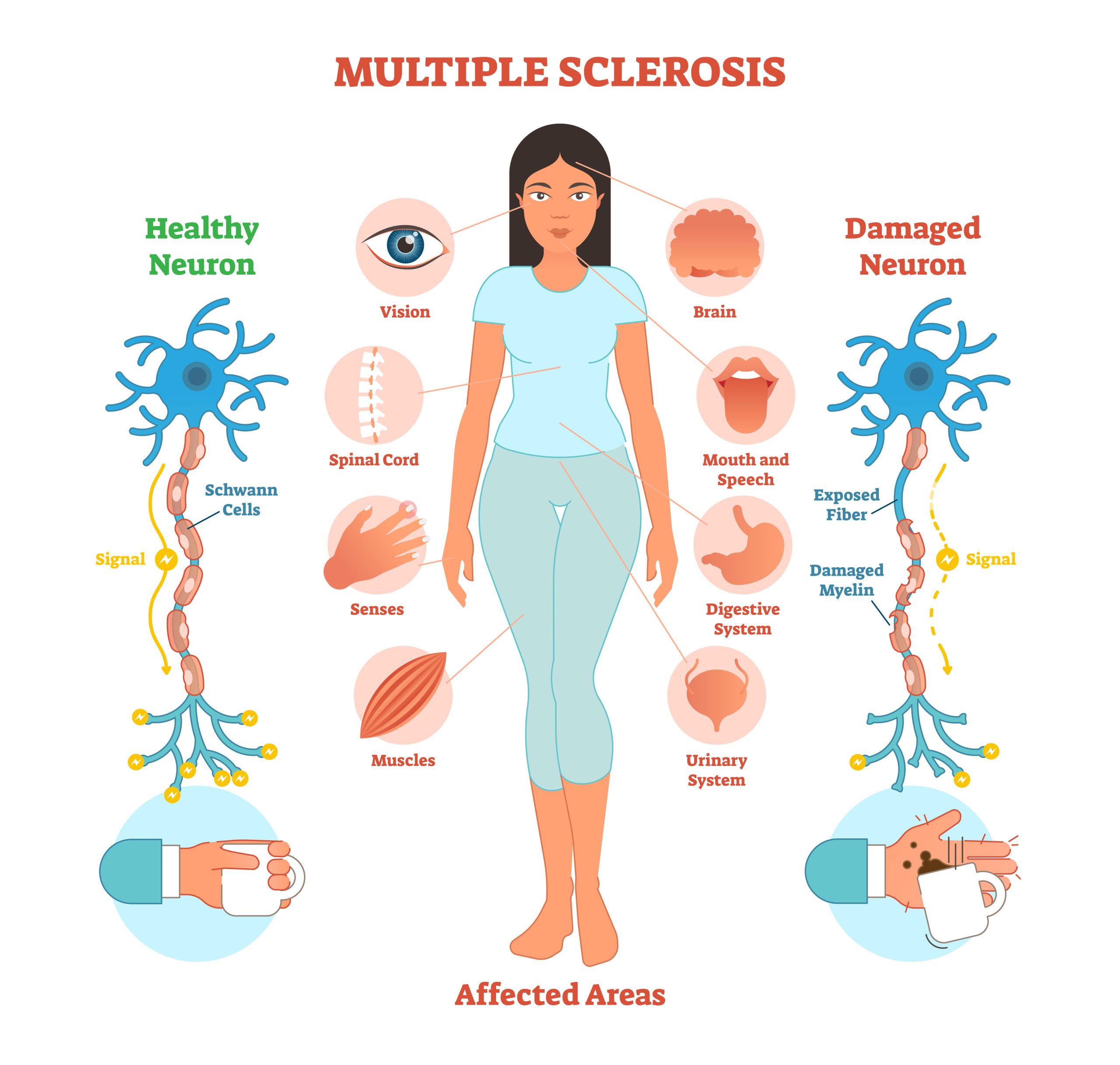
Multiple Sclerosis is a progressive neurological condition that is caused by the loss of myelin around the nerves. Without myelin, the signal between the nerves are disrupted and communication cannot happen effectively. Symptoms of MS can vary person to person. Some of the symptoms are:
- Changes in vision (e.g., double vision)
- Dizziness
- Weakness
- Balance difficulty
- Difficulty with walking
- Sensation changes or loss of sensation
- Mental and cognitive changes
- Stiffness and spasm
- Bowel/bladder issues
A physical therapist and an occupational therapist can help evaluate and treat functional limitations such as walking and balance difficulty, fatigue, decreased endurance, vertigo, decreased strength, activities of daily living, participation in community activities, etc. Physical therapy and occupational therapy can help slow down the disease progression.
AMYOTROPHIC LATERAL SCLEROSIS (ALS)
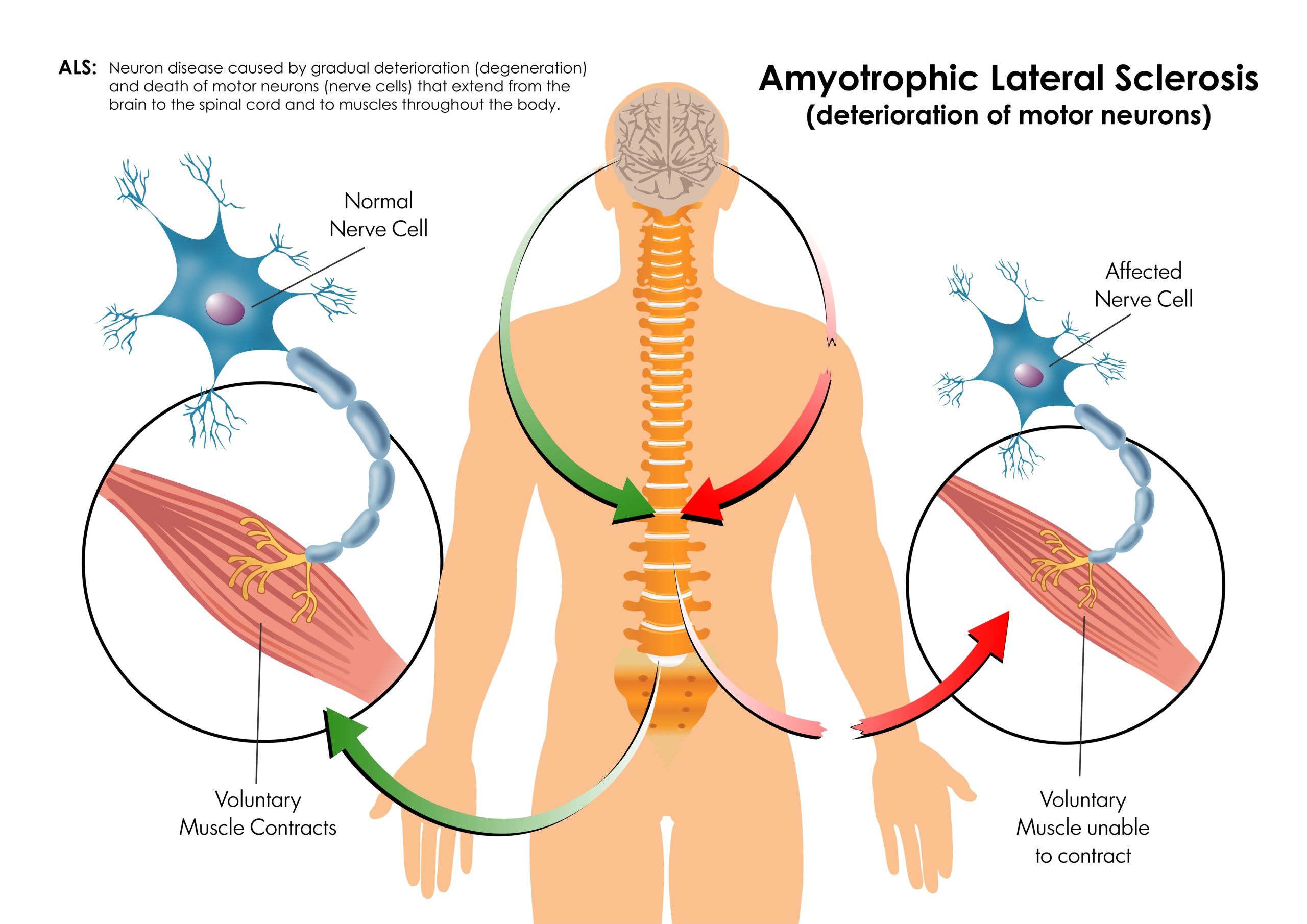
Amyotrophic Lateral Sclerosis is a progressive neurodegenerative disease that affects the motor neurons of the brain and spinal cord. Over time, people with ALS become progressively weak. Symptoms include, but not limited to:
- Foot drop & difficulty walking
- Hand weakness
- Difficulty with swallowing and speech
- Difficulty breathing
- Cramping and stiffness
A physical therapist and an occupational therapist can help those with ALS to prepare for their changes in function. The goal of PT and OT is not to build strength, but rather to maintain flexibility, fitness, safe mobility, and independence for as long as possible. A plan of care can include, but not limited to:
- Exercise to maintain strength, flexibility, range of motion and general fitness
- Bracing (e.g., ankle brace to assist with foot drop or neck brace to decrease neck pain and maintain good posture)
- Wheelchair prescription
- Home evaluations to make recommendations for home modifications
- Making recommendations for adaptive equipment and technologies
- Caregiver education and training
GUILLAIN-BARRE SYNDROME (GBS)
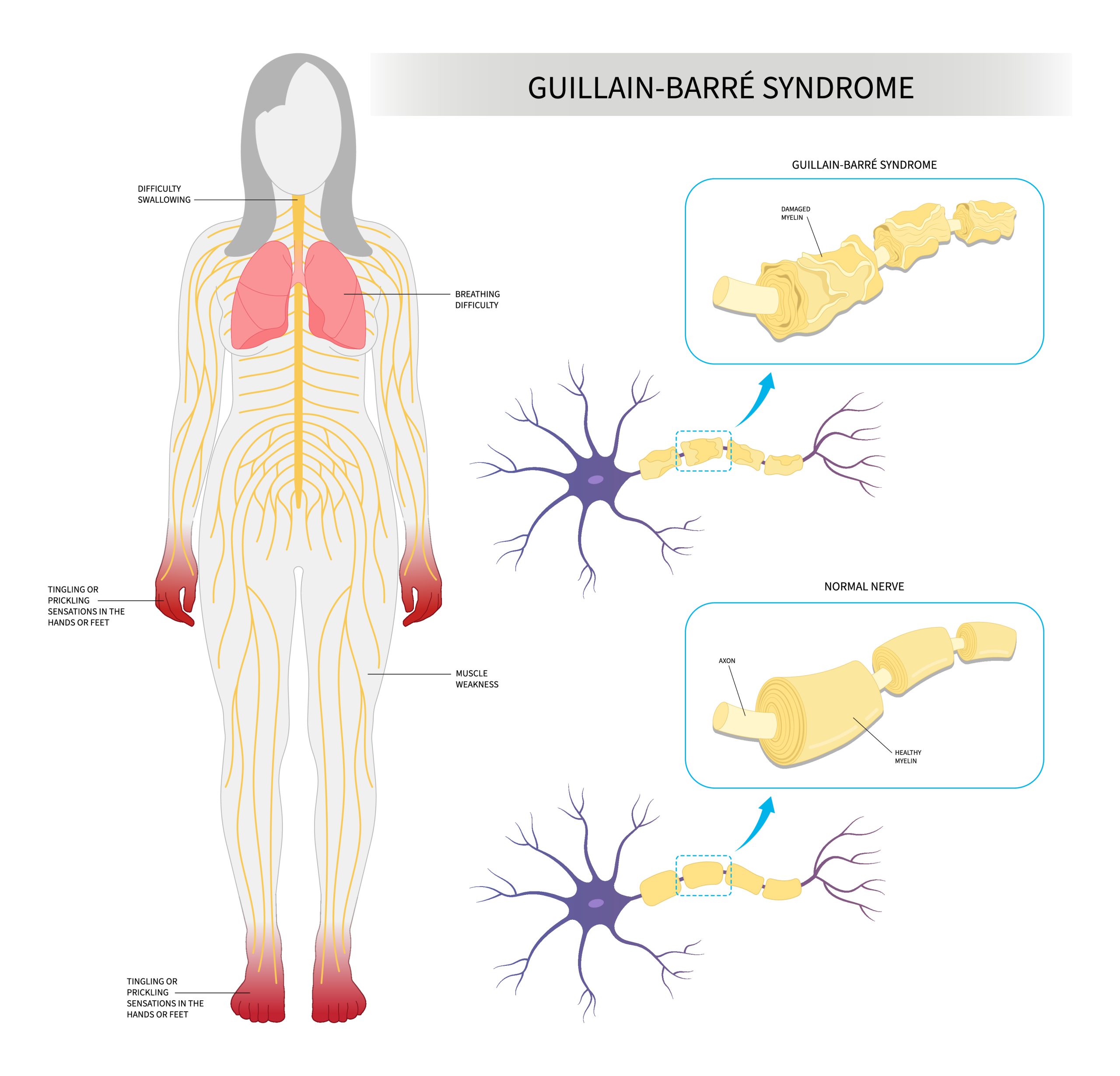
Guillain-Barré Syndrome is a rare neurological disorder in which the body’s immune system mistakenly attacks the peripheral nerves. This damage interferes with the transmission of signals between the brain, spinal cord, and the rest of the body, resulting in muscle weakness and sensory changes. While GBS often begins suddenly and can progress rapidly, many individuals recover with appropriate medical care and rehabilitation.
Symptoms of GBS can vary in severity and may include:
-
Tingling or numbness in the feet and hands
-
Muscle weakness starting in the legs and spreading upward
-
Difficulty walking or climbing stairs
-
Loss of reflexes
-
Balance or coordination problems
-
Facial weakness or difficulty with eye movements
-
Pain, especially in the back or limbs
-
Difficulty breathing (in severe cases)
-
Bowel and bladder dysfunction
A physical therapist and an occupational therapist can evaluate and address functional limitations such as muscle weakness, decreased mobility, fatigue, balance problems, reduced endurance, and difficulty with daily activities. Therapy can also support individuals in regaining independence in self-care and community participation. Early and consistent rehabilitation can play a key role in improving recovery outcomes and preventing complications during the healing process.
FUNCTIONAL NEUROLOGICAL DISORDER (FND)
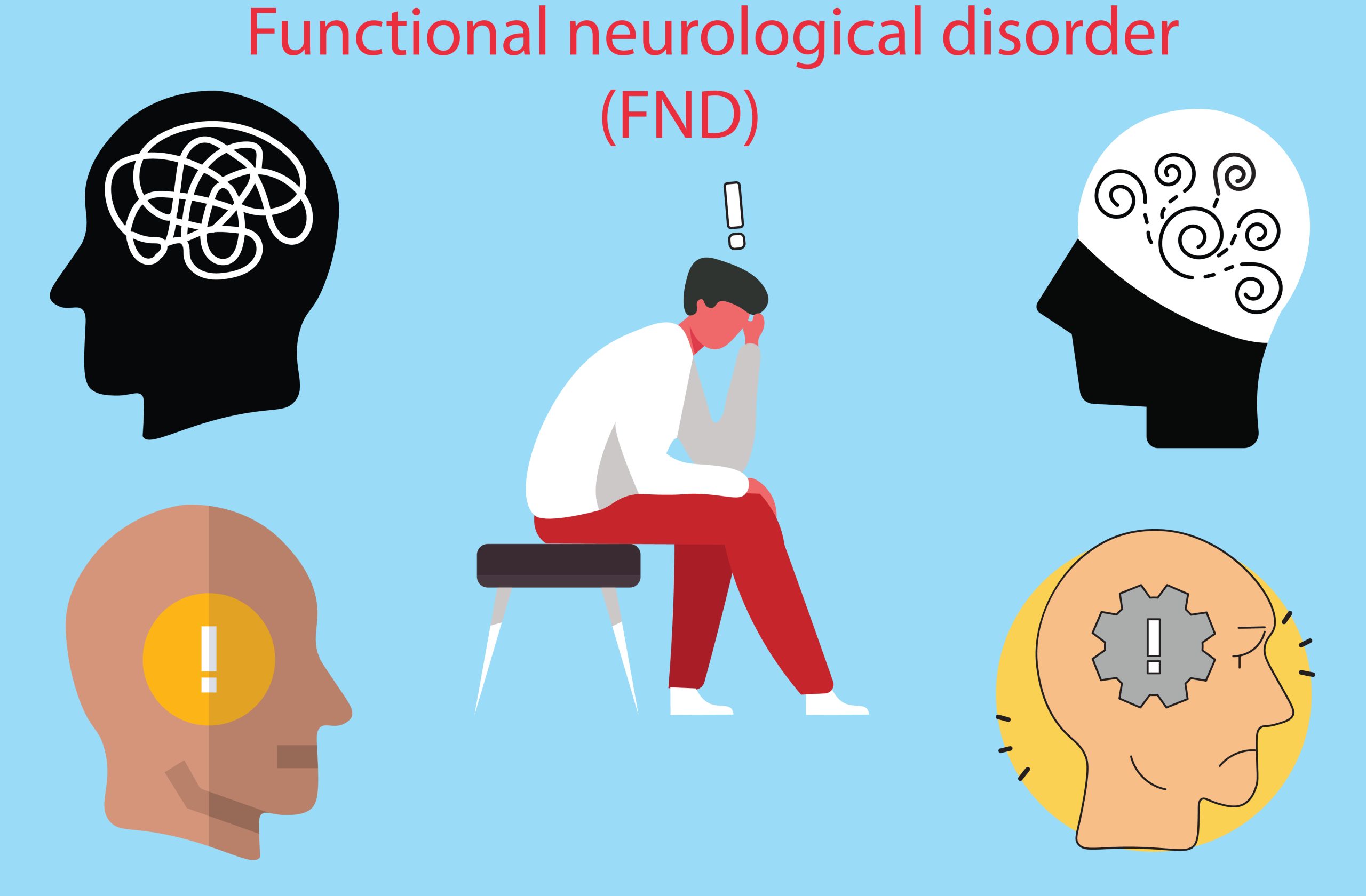
Functional Neurological Disorder is a neurological condition in which individuals experience symptoms that appear similar to those caused by structural neurological diseases, but are instead related to a disruption in how the brain and body communicate. In FND, the nervous system is structurally intact, but the brain’s ability to send and receive signals is impaired, leading to a range of physical and sensory symptoms.
Symptoms of FND can vary from person to person. Some of the symptoms include:
-
Limb weakness or paralysis
-
Abnormal movement (e.g., tremors, jerking, gait disturbances)
-
Non-epileptic seizures (also called functional seizures)
-
Sensory changes or numbness
-
Speech or swallowing difficulties
-
Vision disturbances (e.g., blurred or tunnel vision)
-
Dizziness or fainting
-
Fatigue and poor concentration
-
Functional cognitive symptoms (e.g., “brain fog”)
A physical therapist and an occupational therapist can help assess and treat functional limitations such as impaired mobility, balance problems, movement control, fatigue, decreased coordination, and difficulty performing daily activities or returning to community participation. Therapy focuses on retraining normal movement patterns, improving body awareness, and supporting overall function. A structured, supportive, and collaborative rehab approach can help individuals with FND regain confidence and improve quality of life.

Cel B

I had the pleasure of working with Beverly for a few years and she has always been nothing but professional, knowledgeable, and caring. She goes above and beyond for her patients. She’s an amazing occupational therapist!

Joshua Wilges
Neurability Therapy has been amazing for my mom’s brain injury recovery. Beverly is passionate about what she does and always comes up with new and creative ways to challenge my mom. We cannot say enough good things about this service!